UK Food Market Culture: Why Is It So Popular?
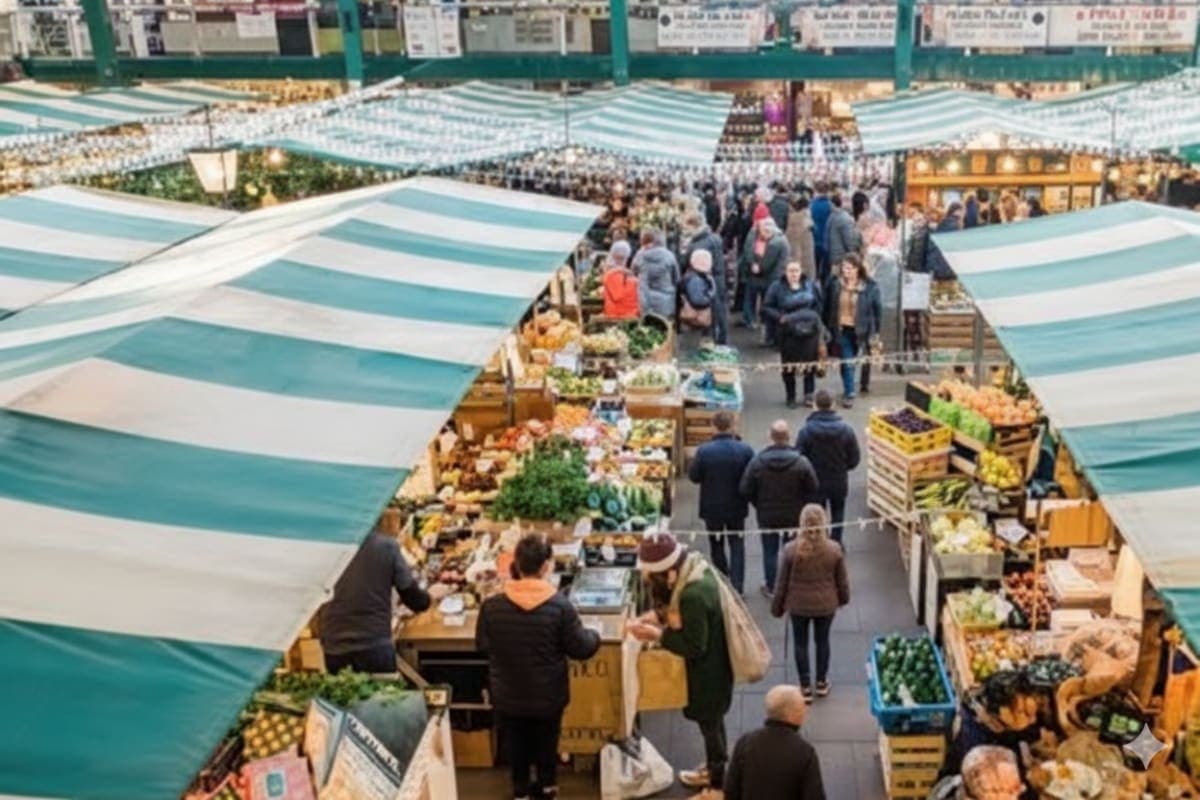
UK food markets surpass quick bites, mixing affordable global flavors like Turkish kebabs, Korean fusion, Indian eats, and Mexican tacos with lively vibes. They make eating a cultural event. Discover why they've boomed in London and beyond!
Economic Factors Fueling the Rise
Food markets exploded in popularity due to their low operational costs compared to brick and mortar restaurants. This enables vendors to offer high-quality meals at £5-12 prices that appeal to cost-conscious consumers amid inflation pressures. The model supports small independent operators who bypass high rents and staffing expenses, passing savings directly to customers seeking value without sacrificing taste or freshness. The sector now generates over £1 billion annually in the UK, driven by a booming "food-to-go" market that caters to busy professionals, students, and families prioritizing convenience and affordability over formal dining.
Multicultural Melting Pot of Flavors
Immigration has profoundly shaped UK food markets into showcases of global diversity. Stalls serve everything from spice-laden curries reflecting South Asian heritage to smoky barbecue influences from the Caribbean and fresh seafood preparations inspired by Mediterranean traditions. This variety creates a "world tour on a plate" experience, attracting adventurous eaters eager to explore beyond traditional British fare like fish and chips. Markets thrive on fusion innovations too, such as bao buns filled with local ingredients or vegan adaptations of classic street foods. These resonate with younger demographics embracing bold, boundary-pushing tastes in an increasingly globalized society.
Social and Atmospheric Appeal
Beyond food, markets function as vibrant social hubs with communal seating, live music, craft beer stalls, and seasonal events. These turn a simple meal into a communal outing that fosters connections in an otherwise fast-paced urban life. The sensory overload of sizzling grills, aromatic spices wafting through the air, and bustling crowds creates an electric atmosphere that's inherently shareable on social media. This amplifies their allure through user-generated content and viral trends. Experiential dining contrasts sharply with the isolation of delivery apps or solitary takeaways, drawing crowds for the people-watching, casual mingling, and sense of community that markets uniquely provide.
The Impactful Role of Christmas Markets
Christmas markets represent the pinnacle of UK food market culture, dramatically amplifying popularity by drawing millions, especially in winter. Events like London's Southbank Winter Market or Manchester Christmas Markets feature warm glühwein, German sausages, roasted chestnuts, and local craft beers alongside traditional stalls. These seasonal pop-ups reinforce year-round culture, creating romantic lighting, carousels, and gift-filled atmospheres that elevate socializing for families, couples, and tourists. They played a critical role in post-pandemic recovery, generating over £500 million in economic impact. This proves food markets' seasonal power while modeling success for summer and ongoing events.
Historical Evolution and Urban Revival
Rooted in centuries-old traditions, markets like those dating back over a millennium have reinvented themselves from produce trading posts into modern gourmet destinations. Strategic urban regeneration projects blend heritage with contemporary appeal. Post-Brexit and pandemic recoveries accelerated this by emphasizing local sourcing and resilience. Markets position as sustainable alternatives with shorter supply chains that reduce food miles and waste. Government support via pop-up licenses and festivals has further embedded them in city fabrics, making them indispensable for tourism economies and local high streets revitalization efforts.
Sustainability, Trends, and Future Outlook
Eco-conscious shifts have boosted markets' status. On-site cooking minimizes packaging, supports seasonal produce, and highlights artisanal producers focusing on organic or ethically sourced ingredients amid rising demand for plant-based and allergen-free options. Health trends favor them too, with transparent preparation building trust in freshness and nutrition over processed supermarket alternatives. Looking ahead, technology integrations like app-based pre-orders and AR menus signal continued growth. UK food markets remain dynamic cultural anchors, evolving with consumer preferences for authenticity, inclusivity, and joy in every bite.


